We're excited to announce that Lehigh Valley Audubon Society is now on Instagram!
This new platform will help us connect with more individuals who share our passion for bird conservation, community engagement, and exploring the wonders of nature.
Follow us for announcements about upcoming events, as well as fun, informative, and engaging content about birds and nature! Plus, check out our Stories, where we'll highlight posts from fellow Audubon societies and organizations working in avian science.
Join us in making a difference — one post, one bird, and one conservation effort at a time!

In mid-October, 2025, LVAS President, Barbara Malt, received an email from Dale Steventon saying “I am 90 years old. I was president of the Lehigh Valley Audubon Society in 1977 to 1980. I would like to share several things with you...” Barbara and LVAS History Committee Chair, Betty Abrams, met with Dale and his wife, Alison, in their home in Schnecksville on November 10th.
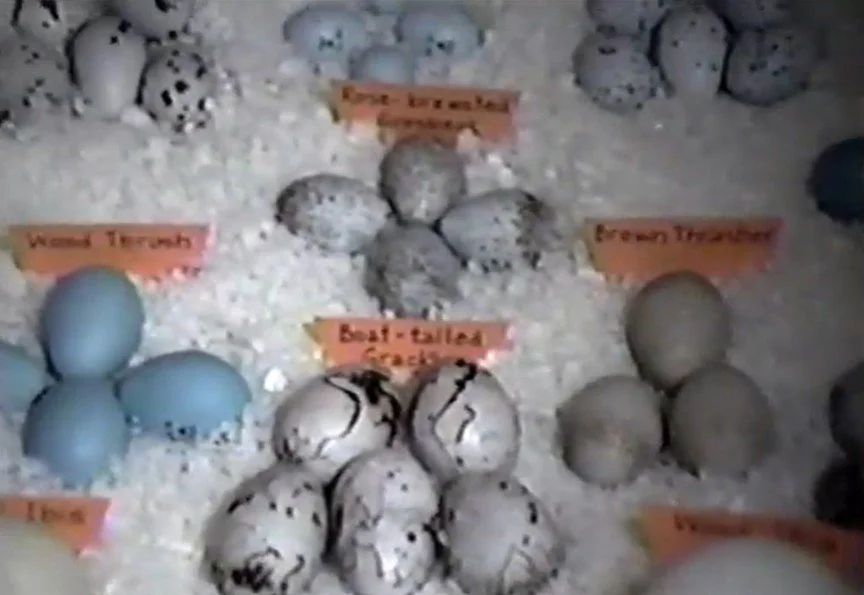
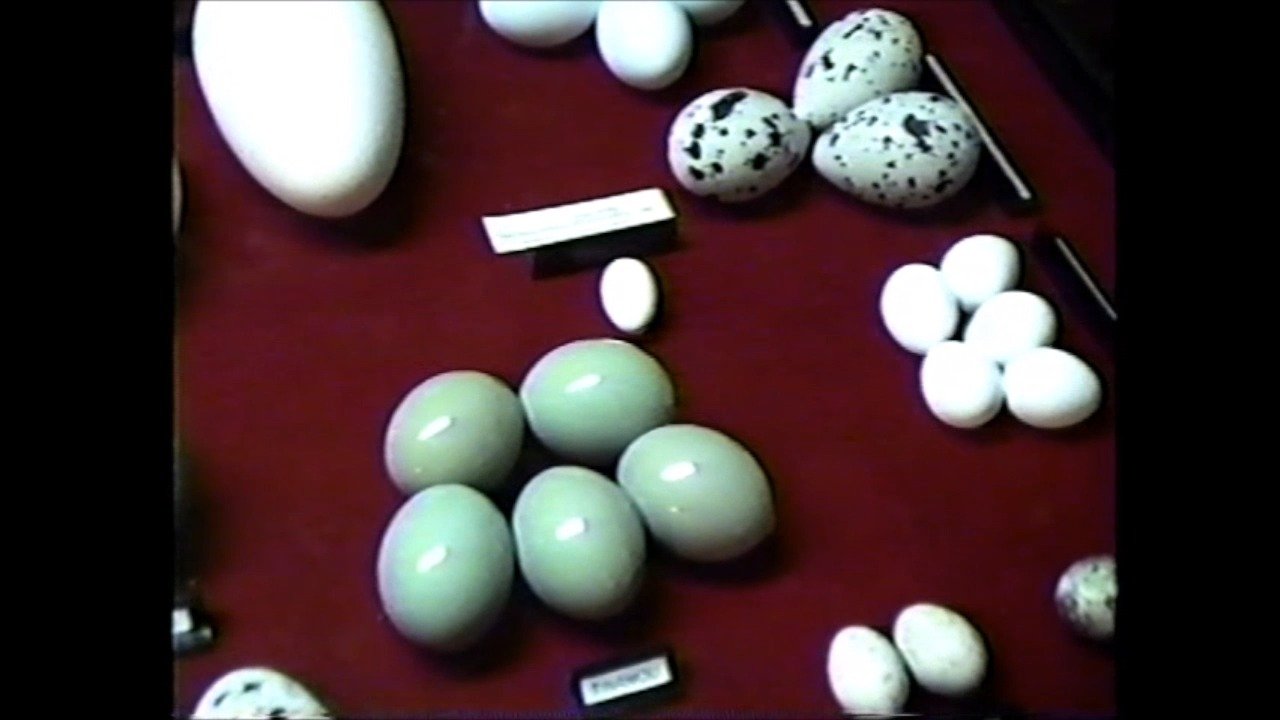
During their visit, Dale kindly shared an hour-long video that he and Alison recorded in 1993 while visiting Bart Snyder’s museum of wildlife specimens. Snyder (1906-1998) was a member of LVAS and an amateur ornithologist and oologist – a person who studies or collects bird eggs. His personal museum, the largest private collection of its kind in North America, included mounted birds and more than 16,000 eggs representing more than 500 different species. Most specimens included valuable scientific data, including when, where, and by whom they were collected.
The contents of Snyder’s collection have since been donated to various research institutions and organizations, including Muhlenberg College. This is a preview of the full video, which offers a rare glimpse of Snyder’s full collection while it was still on display in his West Allentown home.
LVAS thanks Dale and Alison for documenting Snyder’s collection and sharing this video. To view the full-length video, check out Lehigh Valley Audubon Society’s YouTube channel or visit this link: https://www.youtube.com/watch?v=KCtMlOxdqYE
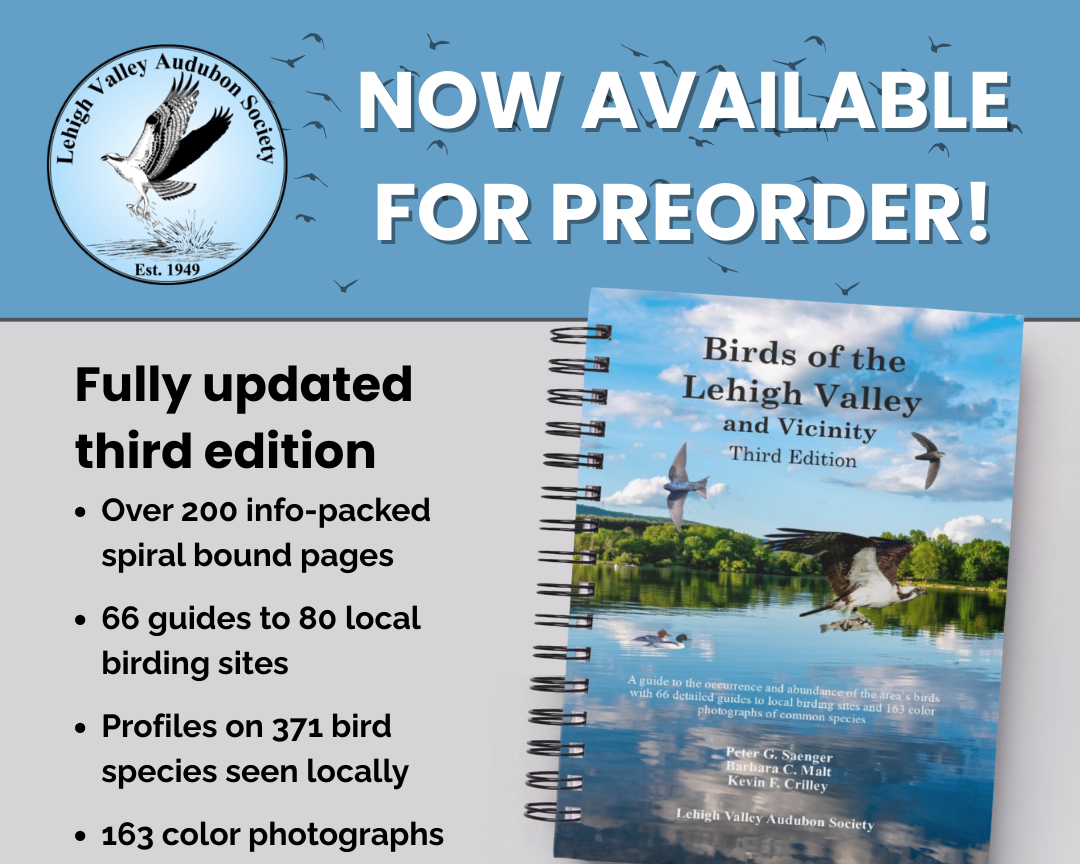
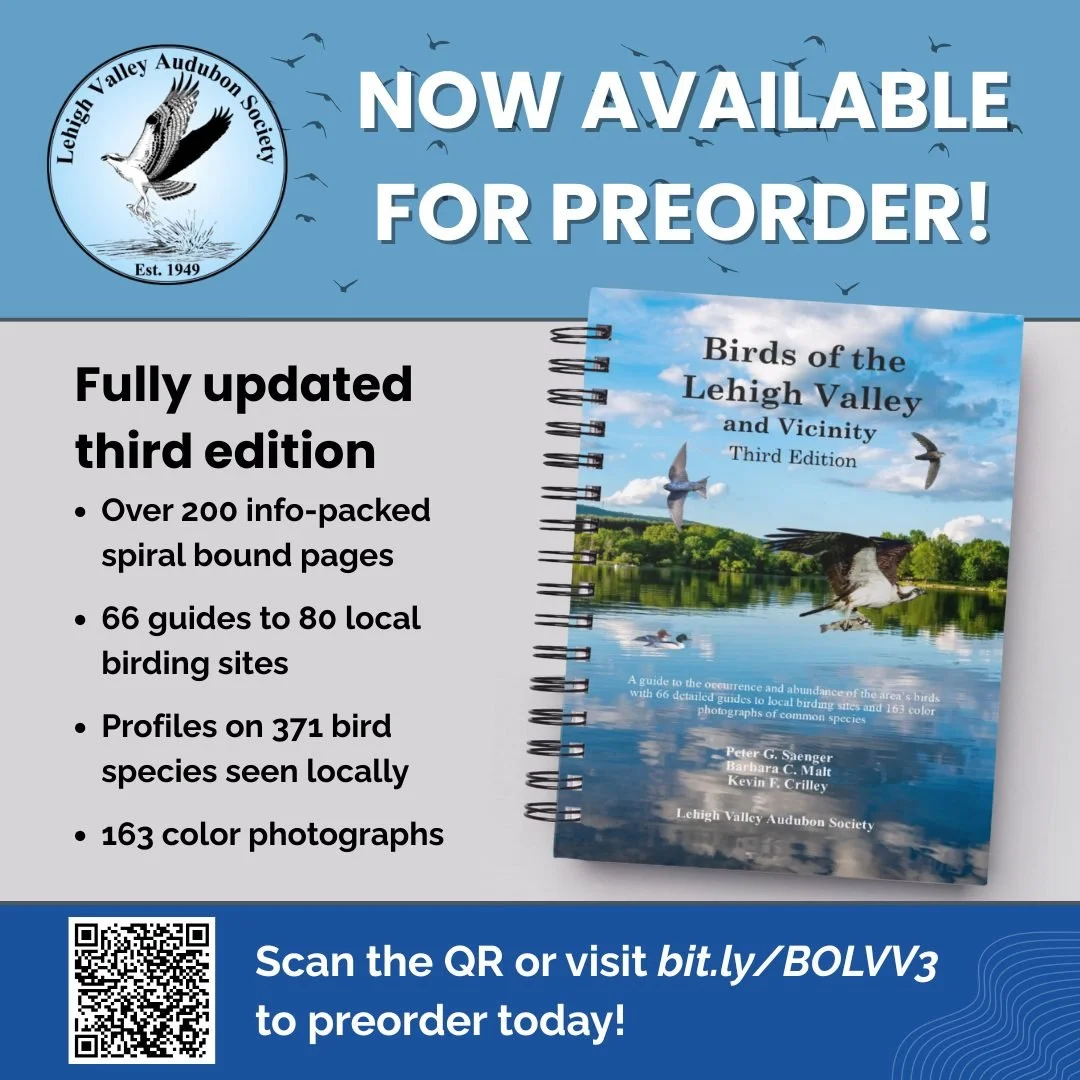
Announcing Birds of the Lehigh Valley and Vicinity, 3rd Edition
Fully revised and now available for preorder!
Price: $25.95 per copy plus shipping
All proceeds support LVAS conservation and public outreach programs.
Discover where to bird and what to expect throughout the Lehigh Valley with this revised new edition. Highlights include:
• 216 pages packed with information
• 66 detailed site guides, covering 80 natural locations in the Lehigh Valley area
• An annotated checklist of 371 species, with notes on occurrence, abundance, sighting patterns, and preferred habitat
• Seasonal bar graphs providing a visual guide to seasonal occurrence and abundance
• 163 full-color photographs featuring many of the Valley’s most common birds
• Durable spiral binding that lays flat or folds easily for field use
The book is currently at the printer, and we hope to ship in time for Christmas or shortly thereafter. Either way, be one of the first to receive this brand new edition of our popular guidebook (6,000 copies sold since first published)!
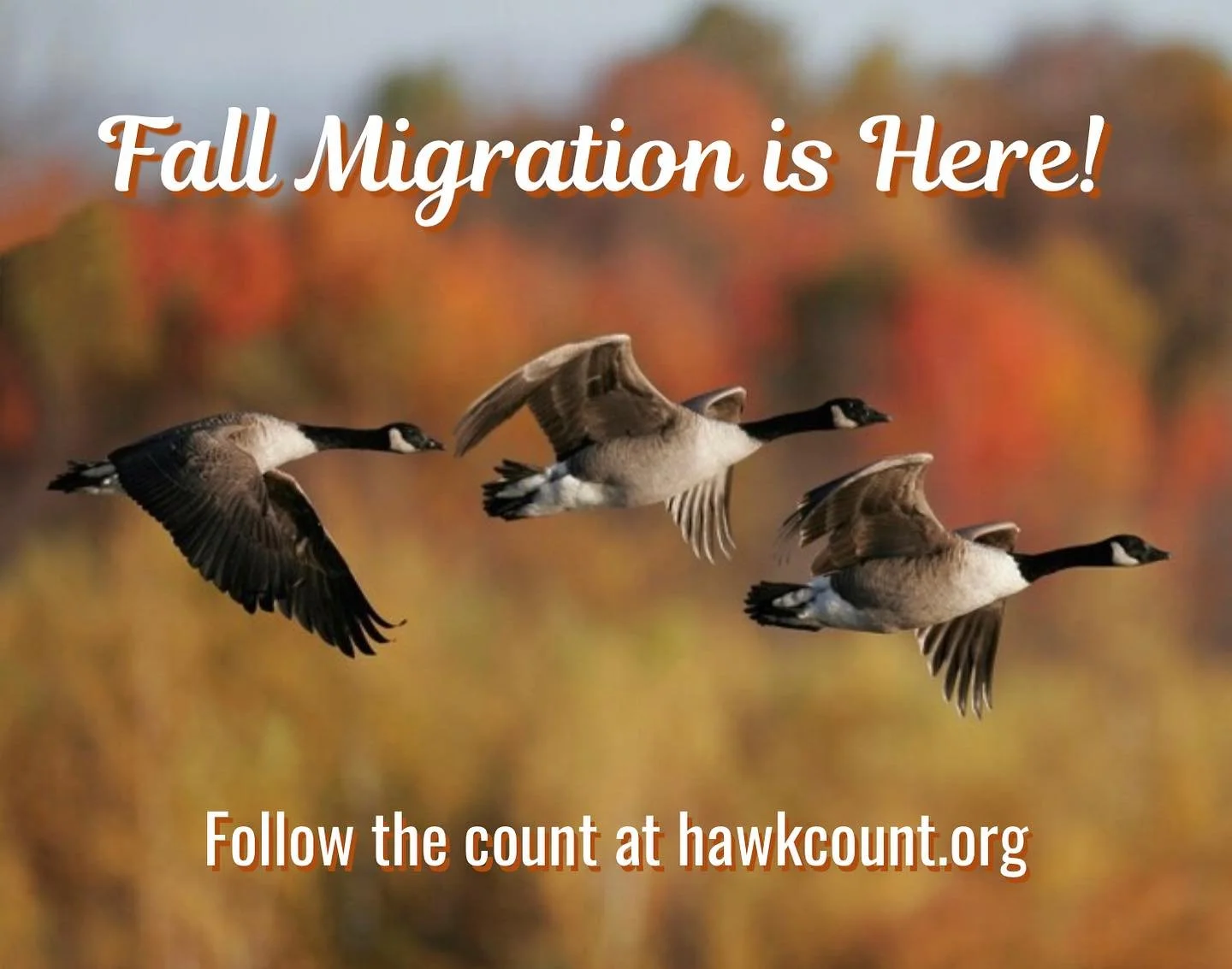
🍂🍁 That’s right, counting for the fall migration has officially started! Organizations like the Lehigh Gap Nature Center and Hawk Mountain Sanctuary are beginning to count migrants! The data is used to study our precious species and see how numbers compare over the years, and if there are any ecological effects to that. More information can be found at hawkcount.org, or on the IG pages of @hawk_mountain and @lehighgapnaturecenter .
ACTION ALERT! The Western Arctic is the largest tract of public land in the U.S., providing breeding grounds for numerous migratory bird species. These include Yellow-billed Loons, Long-tailed Ducks, Red Phalaropes, King Eiders, Dunlins and numerous others. The federal government has proposed repealing key protections of this vital habitat in order to prioritize oil and gas drilling. Please follow the link below to oppose the repeal and speak up for the birds and other wildlife who depend on this globally significant ecosystem! https://earthjustice.org/action/the-western-arctic-is-under-threat-protect-one-of-the-most-important-ecosystems-on-earth?ms=web (photo courtesy of Earthjustice)
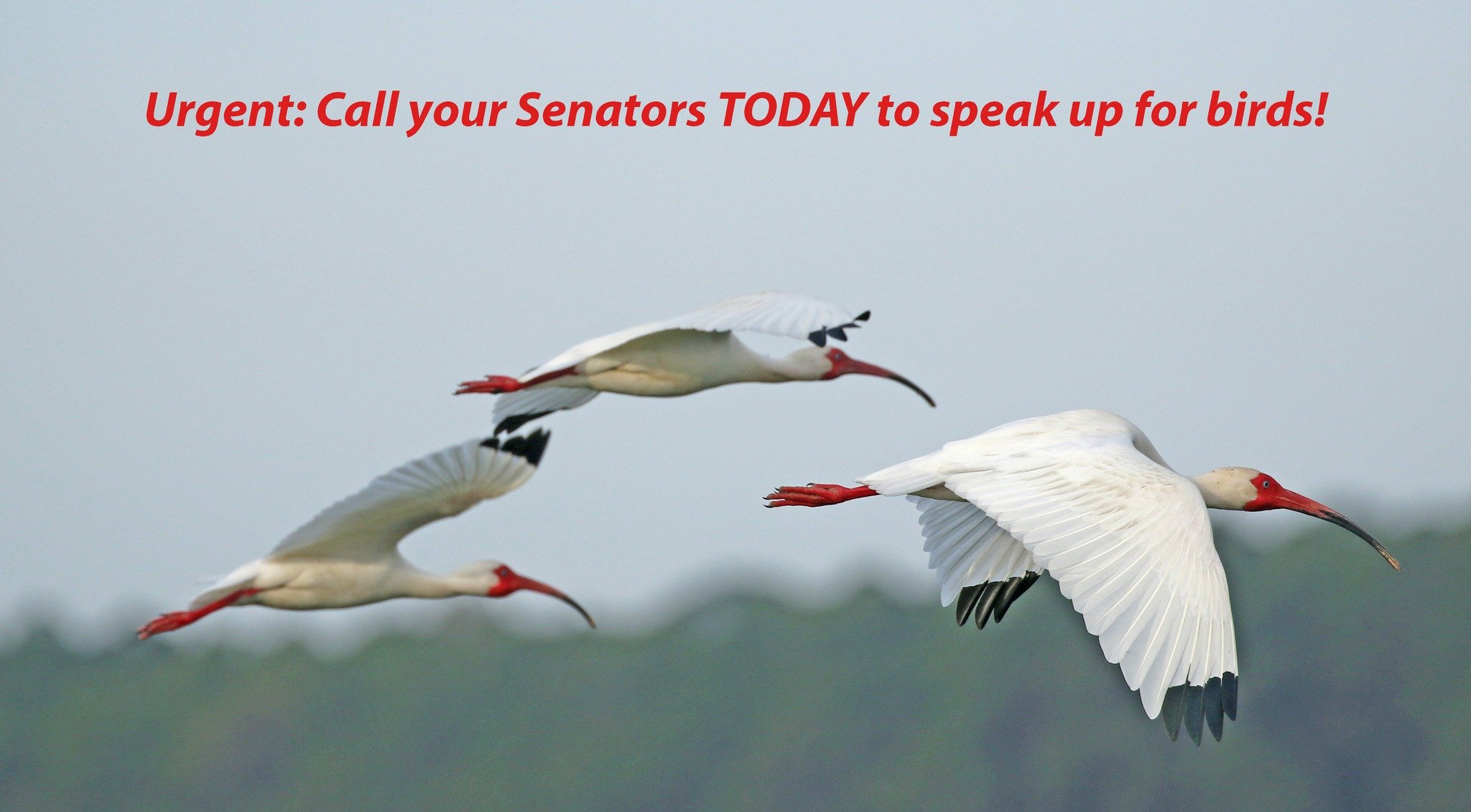
The U.S. Senate may vote as early as tomorrow, June 25, on a budget reconciliation bill that would be devastating for birds and their habitats. The so-called One Big Beautiful Bill Act contains more than 78 environmentally harmful provisions, threatening to undo decades of environmental progress and effectively ending efforts to address climate change. Please call your Senators ASAP to oppose this devastating bill. If you live in PA, it may be useful to mention that one of its provisions -- cancelling the clean energy tax credits that were part of the Inflation Reduction Act -- could result in 26,000 lost jobs in the state, as well as higher energy costs for consumers. (source: nonpartisan think tank Energy Innovation). In PA: Sen. Dave McCormick, 202 224-6324; Sen. John Fetterman, 202 224-4254. For more information, email conservation@lvaudubon.org. On behalf of the birds and all who care about them, thank you!
You guessed it, another bird walk! Leaser Lake is a favorite local birding spot which offers a wealth of nesting species difficult to find elsewhere in the Lehigh Valley. This is a drive and bird trip, and some uphill walking is involved. This trip typically lasts approx 5 hours +/-. Meet at Leaser Lake’s north boat launch, located on Ontelaunee Road.
Leader: Liz Brensinger LizBrensinger@gmail.com
#lvas #lehighvalleypa #lehighvalleyaudubonsociety #birdwalk #birding #allentownpa #leaserlake #pennsylvania #birds
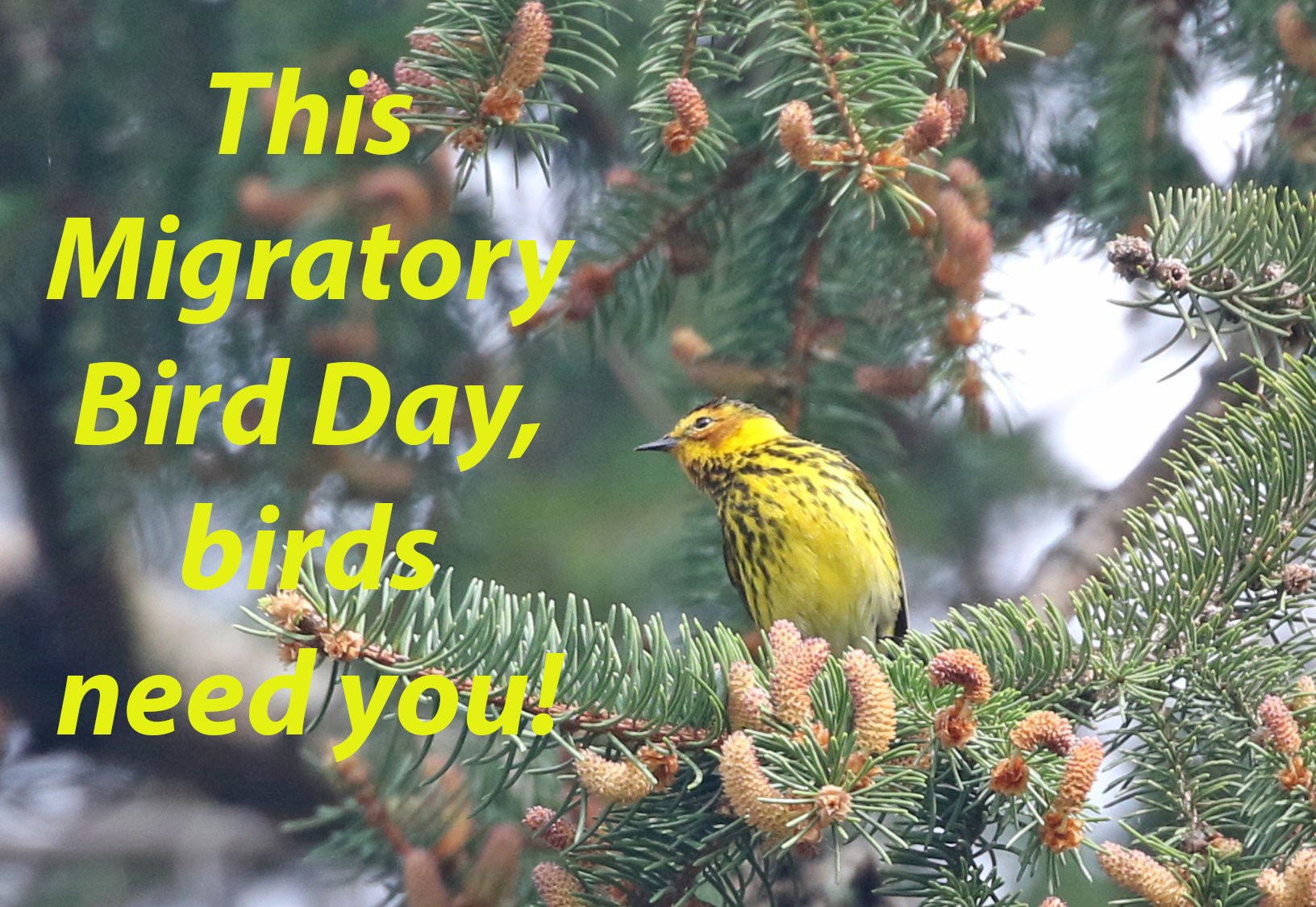
On this World Migratory Bird Day, birds face many threats. Please consider contacting your Congressional rep -- in the Lehigh Valley, that's Ryan Mackenzie -- and opposing the House budget bill's provisions that would harm birds. These include opening almost all federal land to mineral leasing and/or energy development, drastically cutting budgets of agencies that manage and protect public lands, and even selling off thousands of acres of public lands in Utah and Nevada. Birds need unspoiled habitat to survive, and we humans benefit immeasurably, too. Thanks in advance for speaking up for the birds!
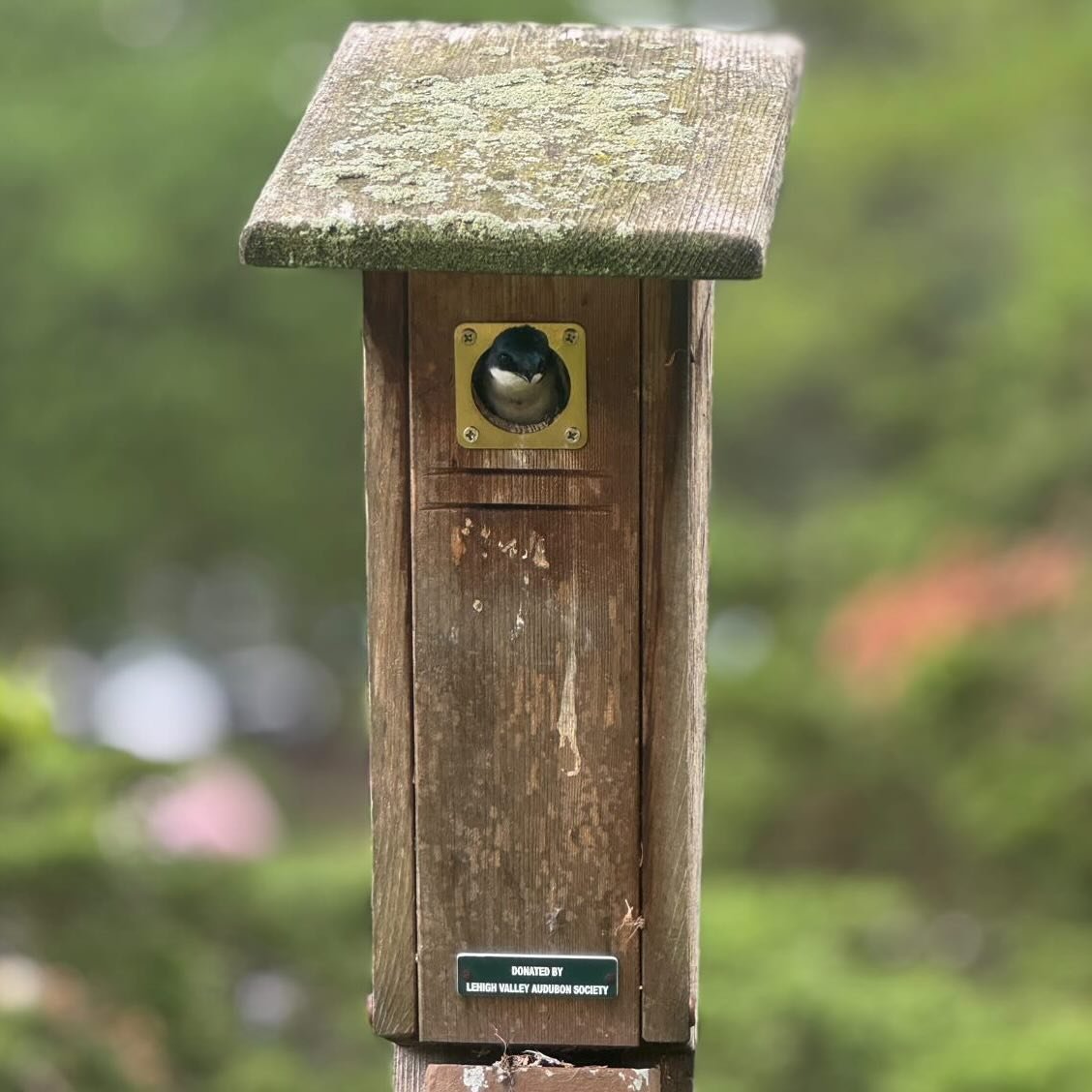
We want to thank @atomictangerines for sending us this awesome picture! A perfect example of how your contributions to our non profit goes towards our native birds! Please feel free to send in examples in the future, we want to see our community engage with us!
-
- #lvas #lehighvalleyaudubonsociety #birds #treeswallow #birdhouse #conservation #birds #allentownpa #lehighvalleypa
🌸 We’re going on a bird trip! Minsi Lake and Bear Swamp host a wide variety of birds in habitats that are difficult to find elsewhere in the Lehigh Valley. Please come and join us!
Meet at the western parking lot for Minsi Lake, located off Blue Mountain Drive (GPS coordinates 40.913279, -75.178332).
Leader: Guy de Bruyn (610-709-4141)
#lvas #lehighvalleyaudubonociety #audubonsociety #allentownpa #birds #birdwalk #lehighvalleypa
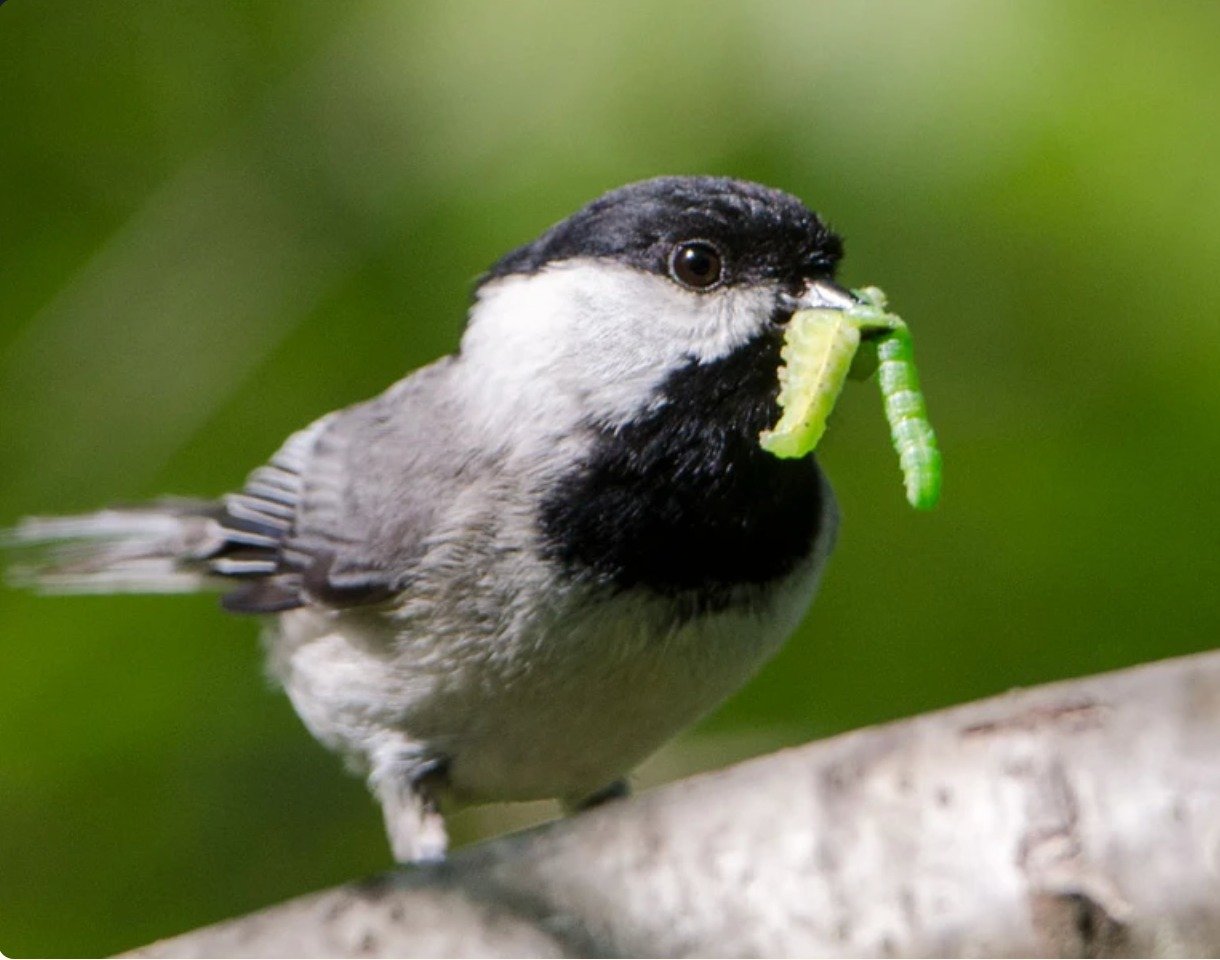
Did you know that songbirds raise their chicks on caterpillars and other insects? When you treat your yard with mosquito spray, it harms ALL insects it touches, not just mosquitos. Baby songbirds can't grow up on dead or poisoned food. Much better to make sure there is NO standing water on your property (empty all buckets and other garden equipment, bird baths, remove litter, etc. after every rain) and try out the Mosquito Bucket of Doom method -- see the second picture. A couple more tips: place the buckets in shady, damp spots where mosquitos like to hover; and mosquitos are most attracted to red, orange, black, and cyan (sort of turquoise). BTW, if you are concerned about West Nile virus, note that the mosquitoes that carry it are mainly active between dusk and dawn, so daytime spraying can't get most of them! And, mosquitos can develop pesticide resistance, making the problem worse in the long run. P.S., mosquito spraying also kills butterflies and fireflies and the pollinators our own food crops depend on. The Xerces Society for Invertebrate Conservation is a good source for research-based information on insects. https://www.xerces.org/