Announcements

Take Action for Birds by Friday, Jan. 23!!

LVAS Environmental/Conservation Note:

We begin the new year with a few glimmers of hope for birds, the environment and us. By taking a couple of simple actions, each of us can make those glimmers a little bit brighter: 

 Take Action for Birds by Friday, Jan. 23!!

1) Oppose -- no later than Friday, Jan. 23 -- a federal plan to vastly expand off-shore oil drilling, including in the high Arctic. More than 200 bird species nest in the Arctic; oil spills and habitat disruption from oil rigs are only two of the ways this plan could prove devastating for birds. You can voice your opposition using forms from Earthjustice or the Center for Biological Diversity. As always, be sure to personalize your comment by changing some of the words or adding your own thoughts. 

If, like me, you sometimes feel your comments will fall on proverbial "deaf ears," take heart: These comments don't just tell the government how you feel; they also help build a case that environmental litigators will use to try to stop the most destructive Trump administration policies in the courts. 

2) Oppose the Senate version of the SPEED Act, a measure that would gut the National Environmental Policy Act, fast-tracking drilling / mining and other potentially destructive projects by eliminating environmental and judicial review and cutting the public out of the decision-making process. Unfortunately, Lehigh Valley Congressman Ryan Mackenzie voted for the SPEED Act To try to make sure it doesn't become law, use this American Bird Conservancy link to contact your Senators.

3) Closer to home, urge your Pennsylvania lawmakers to make our state the first in the nation to ban the highly toxic herbicide Paraquat, which is deadly to birds. A House bill to ban Paraquat -- HB 1135 -- has already been introduced, and a version with bipartisan support is being prepared in the Senate. For more information and to contact your lawmakers, click here

Now, for a little good news: The U.S. House and Senate passed a 2026 limited spending package that mostly continues current funding levels for several agencies important to birds -- the Department of Interior, the U.S. Forest Service, the National Oceanic and Atmospheric Administration and the U.S. Environmental Protection Agency. While far from perfect -- the bill cuts climate research and does nothing to solve chronic agency under-funding, for example -- it is a significant improvement over Trump's request for drastic cuts in environmental programs. 

All of our federal lawmakers voted for this funding bill. When Rep. Mackenzie voted yea, however, it included almost 150 anti-environment riders -- all thankfully removed by the Senate. If you feel motivated to thank Mackenzie for his vote on the bill, be sure to also mention that you were grateful the Senate dumped all the riders, and that you were disappointed in his support of the SPEED Act.  

Thanks, on behalf of the birds!

-- Liz Brensinger, Conservation Chair
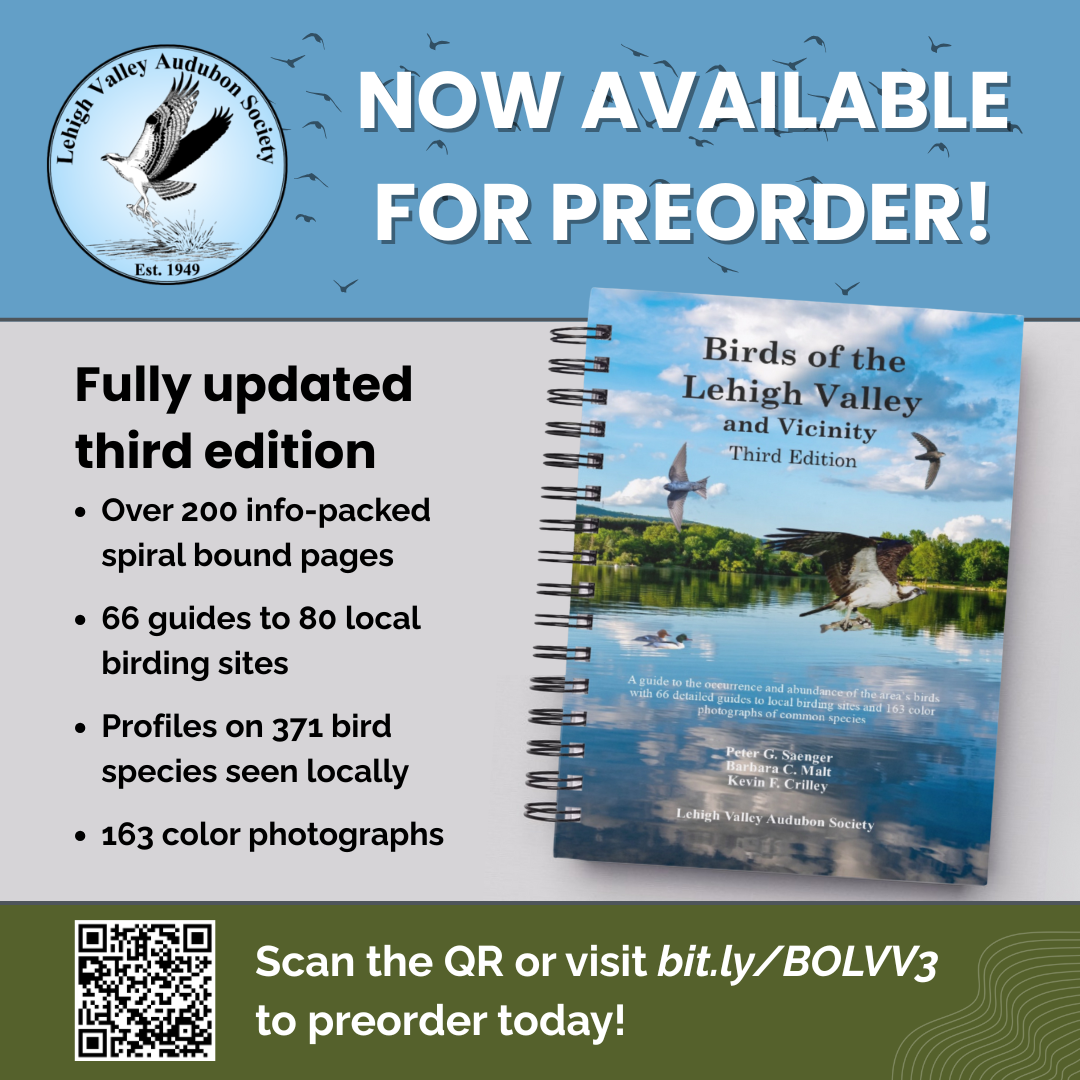
Fully revised and now available: Birds of the Lehigh Valley and Vicinity, 3rd Edition

LVAS has been documenting our local birds for over ninety years and published data in a book, Birds of the Lehigh Valley and Vicinity.

The fully revised 3rd edition is now available for preorder here in our online Shop!

The book is currently at the printer, and we hope to ship in time for Christmas or shortly thereafter. Either way, be one of the first to receive this brand new edition of our popular guidebook (6,000 copies sold since first published)!

Call for "early bird" volunteers!

Do you live or work in Allentown and Have a few extra minutes in the morning?

Care about saving birds from glass collisions?

If so, Lehigh Valley Audubon Society (LVAS) has the perfect short-term volunteer opportunity for you

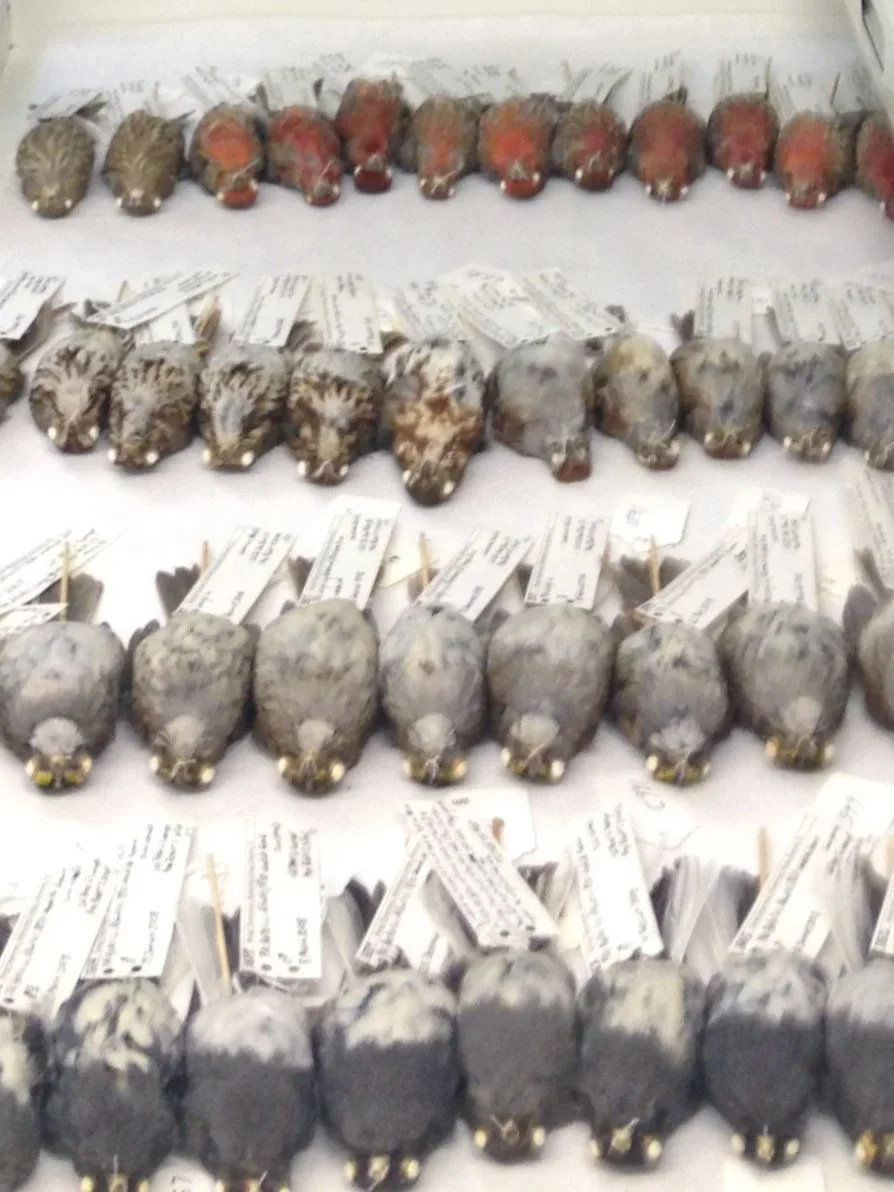
First, a little background: In the U.S. alone, a mind-boggling billion birds a year are estimated to die from flying into glass. (Did you know that LVAS' own Peter Saenger is one of the researchers who came up with that sobering statistic?) Birds are unable to see glass, and many of the features that make buildings attractive to us -- for example, glass facades, plant-filled atria, or beautiful natural landscaping reflected in glass windows or walls -- make buildings especially dangerous for birds.

Bird Victims of Window Collisions

Bird Victims of Window Collisions

Downtown Allentown already has a number of predominantly glass buildings, and several new glass-facade buildings are planned. To help LVAS better help the birds, we'd like to understand more about the toll the existing glass buildings may be taking on birds, especially during migration.

That's where you (might) come in. We're looking for a few volunteers to conduct a survey starting the last week in August or first week in September and running through mid-October. It would involve spending a few minutes on some early mornings (pre-8 a.m.) checking around several predominantly glass buildings in the downtown for evidence of bird strikes, including dead birds. LVAS would coordinate the effort, provide whatever support may be needed, and let you know what to do if you find an injured bird.    

Please contact us by posting a comment or through our website at: https://www.lvaudubon.org/contact , if you're able to help or would like more information.

Thanks in advance for standing up (or getting up early) for the birds! 

Read more on our website about Bird-Window Collisions.

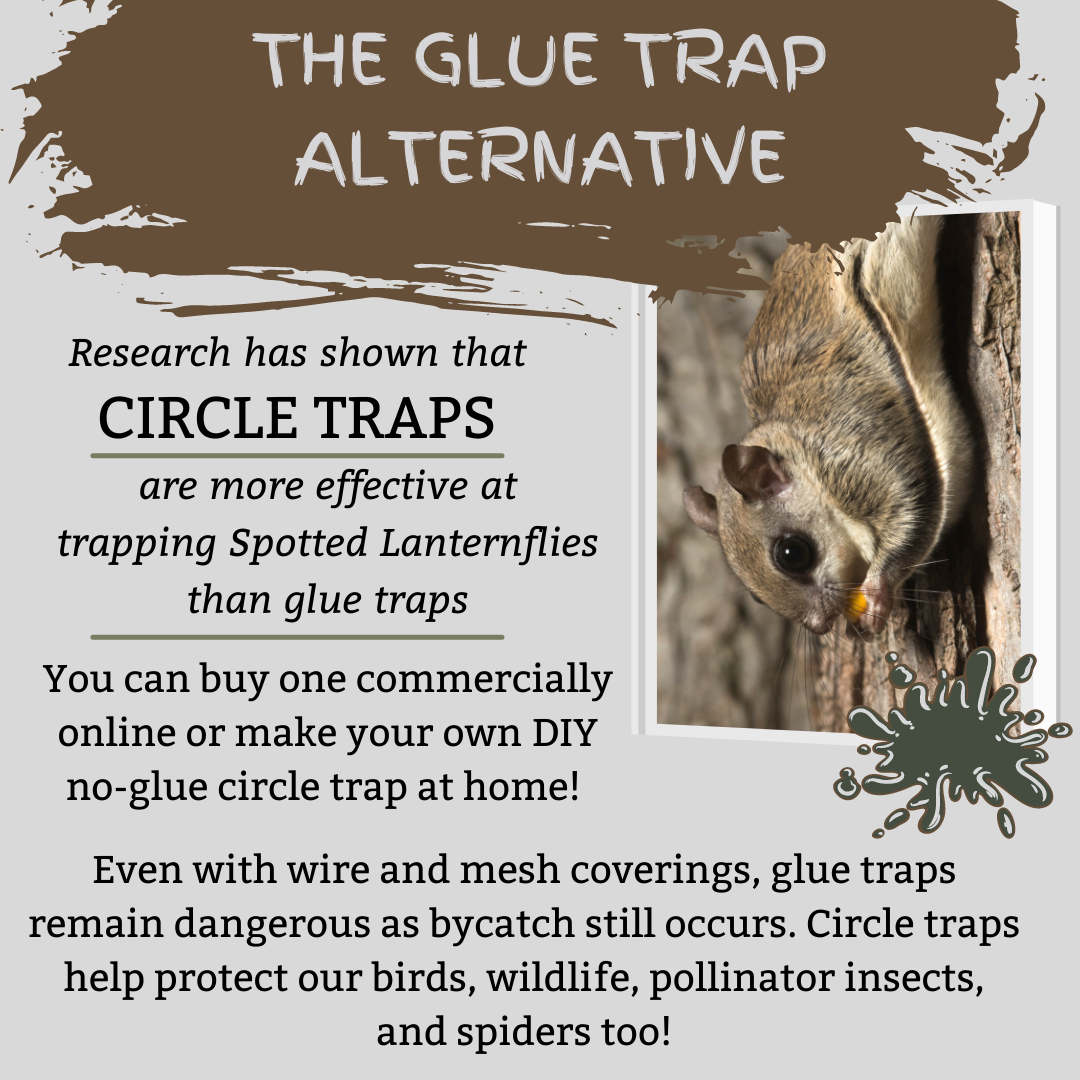
Glue Traps Kill Birds! Use Circle Traps to Control Spotted Lanternflies More Effectively.

Goldfinch trapped on a sticky trap wrapped around a tree trunk, under the chicken wire that failed to protect bycatch from the trap intended for Spotted Lanternflies (SLFs) - photo from Pocono Wildlife Rehabilitation

Even with wire and mesh coverings, glue traps (sticky bands) intended for Spotted Lanternflies (SLFs) remain dangerous, and unintended bycatch, like the Goldfinch in this photo, still occurs.

Wildlife Rehabilitators receive victims trapped on protected glue tape/ sticky band traps. Insects are still captured and birds will crawl in for a meal. Also, mesh can fall off or be pulled off by a squirrel on the trunk.

Need more convincing? View the Glue Victims Gallery.

Fortunately, scientists have learned that Circle Traps are more effective at trapping SLFs than sticky tape.

And you can buy circle traps or read Penn State Extension’s directions on how to make Spotted Lanternfly Circle Traps.

Spread the word about the dangers of glue traps and the benefits of circle traps using our social media kit.

Engage with Lehigh Valley Audubon Society to Help Preserve Birds and Habitat!
Become a
member, volunteer &/or donor.

Circle Traps: The Glue Trap Alternative Flyer

Engage in 2nd Season of 5 Year PA Bird Atlas 3

The Pennsylvania Bird Atlas needs volunteers and is hiring Seasonal Research Technicians

We hope that some of you helped to gather data for Season 1 of the 3rd Pennsylvania Bird Atlas (PBA3) and that more of you will help with the 2nd Season of this 5-year-long survey that will end February 2029.

Pennsylvania birders of all ages and skill levels began working together in early 2024 to map the breeding and status of bird species in the state. Read An Atlaser’s Guide to Season Two to plan your participation this year.

This project is supported by the PA Game Commission (PGC), headquartered at Hawk Mountain, and facilitated by Cornell Lab’s eBird online tools. The PGC initiated this project to update the information they need to prioritize conservation actions and to protect the birds of Pennsylvania.

Read the PA Bird Atlas 3 Volunteer Handbook to learn more about how to participate.

Findings will guide conservation for years to come.

In addition to volunteers, Pennsylvania Bird Atlas is hiring a team of seasonal point count technicians to conduct surveys throughout Pennsylvania during the summer of 2025.

Read all the job details and how to apply here.

April 18, 2025 is the Deadline to Apply to be a Paid Seasonal Research Technician for Pennsylvania Bird Atlas, but applications will be reviewed upon receipt.

Employment Dates: May 19 – mid July 2025

Preference will be given to applicants with previous point count experience and eBird experience. Prior birding experience need not be through a paid position, but ability to identify birds of Pennsylvania by sight and sound required.